


Louise Rogers Lalaurie est écrivaine et traductrice. Ses traductions publiées comprennent seize romans et plus de trente ouvrages de non-fiction couvrant les beaux-arts, les arts décoratifs, le design et le voyage. Elle est également l’auteure de Matisse : The Books (Thames & Hudson, 2020).
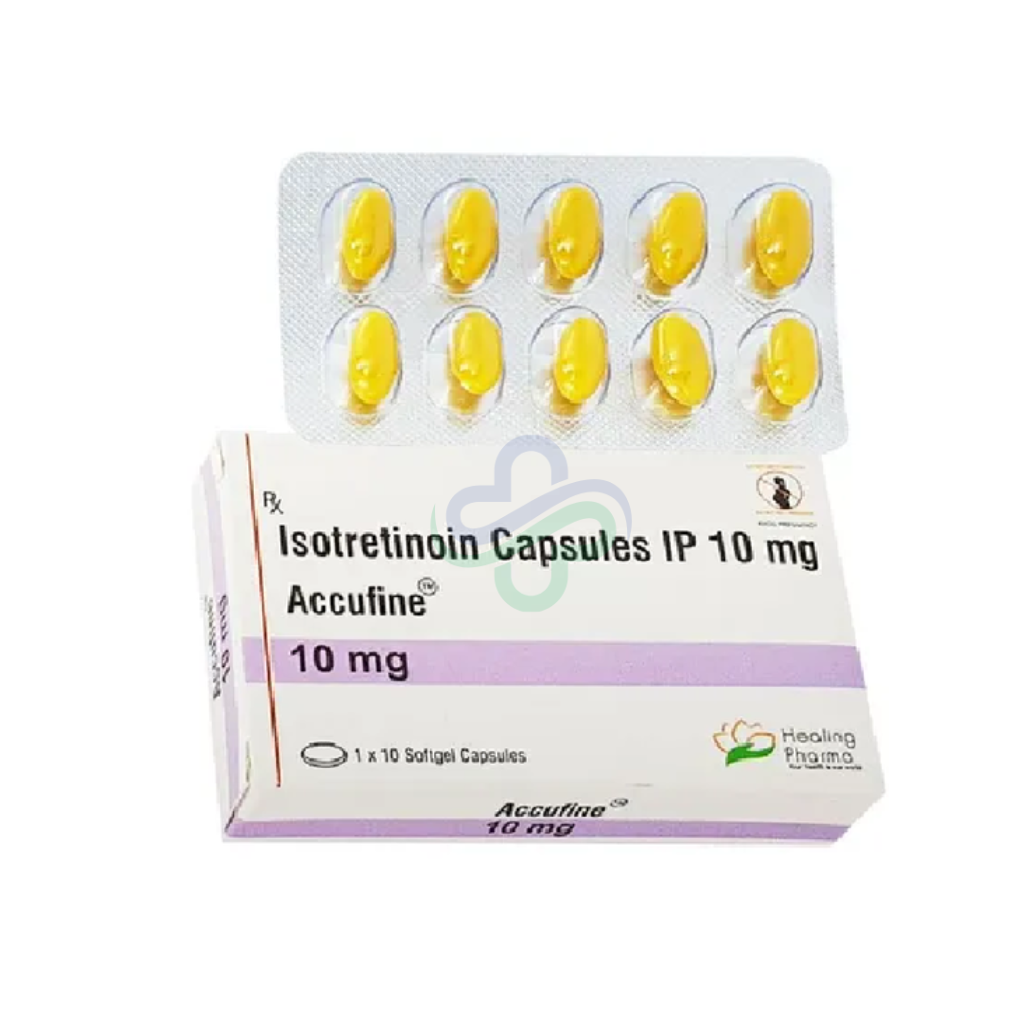



Accufine 10Mg Isotretinoin Capsule
$ 10.80
Generic:Accufine 10mgFormat:Strip of 10 capsulesStrength:10MgManufacturer:Healing PharmaCategory:Skin CareAvailability:In StockWhat is Isotretinoin 10mg Used For?Isotretinoin 10mg is widely used for:Severe Acne Treatment – Treatment for cystic and nodular acne resistant to other therapies.Acne Prevention – Can provide long-term remission or cure of severe acne.Scarring Prevention – Prevents permanent scarring from severe inflammatory acne.Low-Dose Acne – Lower dose for maintenance or systemic acne treatment.How Does Isotretinoin 10mg Work?Isotretinoin normalizes skin cell function by:Reduces sebum production dramatically, eliminating acne-causing bacteria growth.Normalizes keratinization process and prevents follicle plugging.Reduces inflammation and bacterial colonization in sebaceous glands.Can produce long-term or permanent remission of severe acne.How to Use Isotretinoin 10mgDosage: Take 10-20mg capsule; 0.5-1 mg/kg daily for 16-24 weeks.Timing: Take with high-fat food to maximize absorption.Precaution: **HIGHLY TERATOGENIC** – Absolute contraindication in pregnancy. Women must use contraception.Side Effects of Isotretinoin 10mgCommon Side Effects: Dry skin/lips, Photosensitivity, Dry eyes, Mild joint pain, HeadacheSerious Side Effects (seek medical help): Severe depression/suicide risk, Liver damage, Severe birth defects, Vision changes, PancreatitisBenefitsMost effective acne treatment available — produces long-term remission in up to 90% of patients after one courseReduces sebum (skin oil) production by up to 90%, normalizes skin cell turnover, reduces bacteria and inflammationTreats all types of severe acne including cystic and nodular acne that has failed other treatmentsCan result in permanent improvement after completing the prescribed course — many patients never need acne treatment againAvailable in multiple strengths for weight-based dosing (target cumulative dose of 120-150 mg/kg)Warnings and PrecautionsTERATOGENICITY — causes severe birth defects including heart, brain, and facial malformations. Women of childbearing age MUST use TWO reliable forms of contraception and take monthly pregnancy tests throughout treatment and for 1 month after the last dosePsychiatric effects: depression, anxiety, mood changes, and suicidal ideation have been reported — monitor closely and report any mood changes to your doctorDo not donate blood during and for at least 1 month after stopping treatment (could harm a pregnant blood recipient)Avoid waxing, dermabrasion, laser resurfacing, and tattooing during treatment and for 6 months after — healing is impairedDo not take vitamin A supplements concurrently — risk of additive toxicity (hypervitaminosis A)Acne may worsen during the first 4-6 weeks of treatment before improving — this is normalWear SPF 30 sunscreen daily — isotretinoin increases sun sensitivityAvoid extended contact lens wear — dry eyes are commonDrug InteractionsTetracycline antibiotics (doxycycline, minocycline): risk of intracranial hypertension (pseudotumor cerebri) — do not combineVitamin A and supplements containing beta-carotene: additive toxicity riskMethotrexate: combination increases hepatotoxicity riskCarbamazepine: isotretinoin may reduce carbamazepine plasma levelsProgestogen-only oral contraceptives ("mini-pill"): possibly less effective — use a barrier method as additional contraceptionSt John's Wort: may reduce efficacy of hormonal contraceptivesStorage InformationStore at room temperature 15°C–30°CProtect from light and moisture — keep capsules in original blister packsKeep out of reach of childrenDo not use after expiry dateFrequently Asked QuestionsQ1: What is Accufine 10mg (Isotretinoin 10mg) used for?Accufine 10mg is used to treat severe cystic and nodular acne that has not responded to antibiotics or other topical treatments.Q2: How does Isotretinoin treat acne?Isotretinoin reduces sebum production by up to 90%, normalizes keratinocyte differentiation to prevent follicle plugging, has anti-inflammatory properties, and reduces Cutibacterium acnes bacterial colonization.Q3: How long does an Isotretinoin course last?A typical course lasts 4-6 months. Duration is based on achieving a cumulative dose of 120-150 mg per kg of body weight.Q4: When will I see results with Accufine 10mg?Improvement is typically visible after 6-8 weeks of treatment. Full results are usually seen after the complete course is finished.Q5: What is the most important warning about Isotretinoin?Isotretinoin is severely teratogenic — it causes serious birth defects. Women of childbearing age must use TWO reliable forms of contraception throughout treatment and for 1 month after the last dose.Q6: Can women take Accufine 10mg?Yes, but a strict pregnancy prevention protocol is required, including two forms of contraception and monthly pregnancy tests throughout the treatment course.Q7: What are the most common side effects of Accufine 10mg?The most common side effects are dry lips and skin (very common), dry eyes, nosebleeds, mild joint pain, and a temporary worsening of acne in the first few weeks of treatment.Q8: Does Accufine 10mg cause depression?Mood changes, depression, and anxiety have been reported with isotretinoin. Report any depression, anxiety, or mood changes to your doctor promptly.Q9: Can I drink alcohol while taking Accufine 10mg?It is best to avoid alcohol. Isotretinoin is processed by the liver, and alcohol increases liver stress and can raise triglyceride levels.Q10: Are regular blood tests necessary with Accufine 10mg?Yes. Liver function tests, lipid levels (cholesterol and triglycerides), and a complete blood count are monitored at baseline and periodically during treatment.Q11: How should I store Accufine 10mg?Store at room temperature (15°C–30°C) away from light and moisture. Keep capsules in their original blister packs.Q12: Do I need a prescription for Accufine 10mg?Yes. Isotretinoin is a prescription-only medicine dispensed under strict regulatory controls due to its teratogenic risk.